
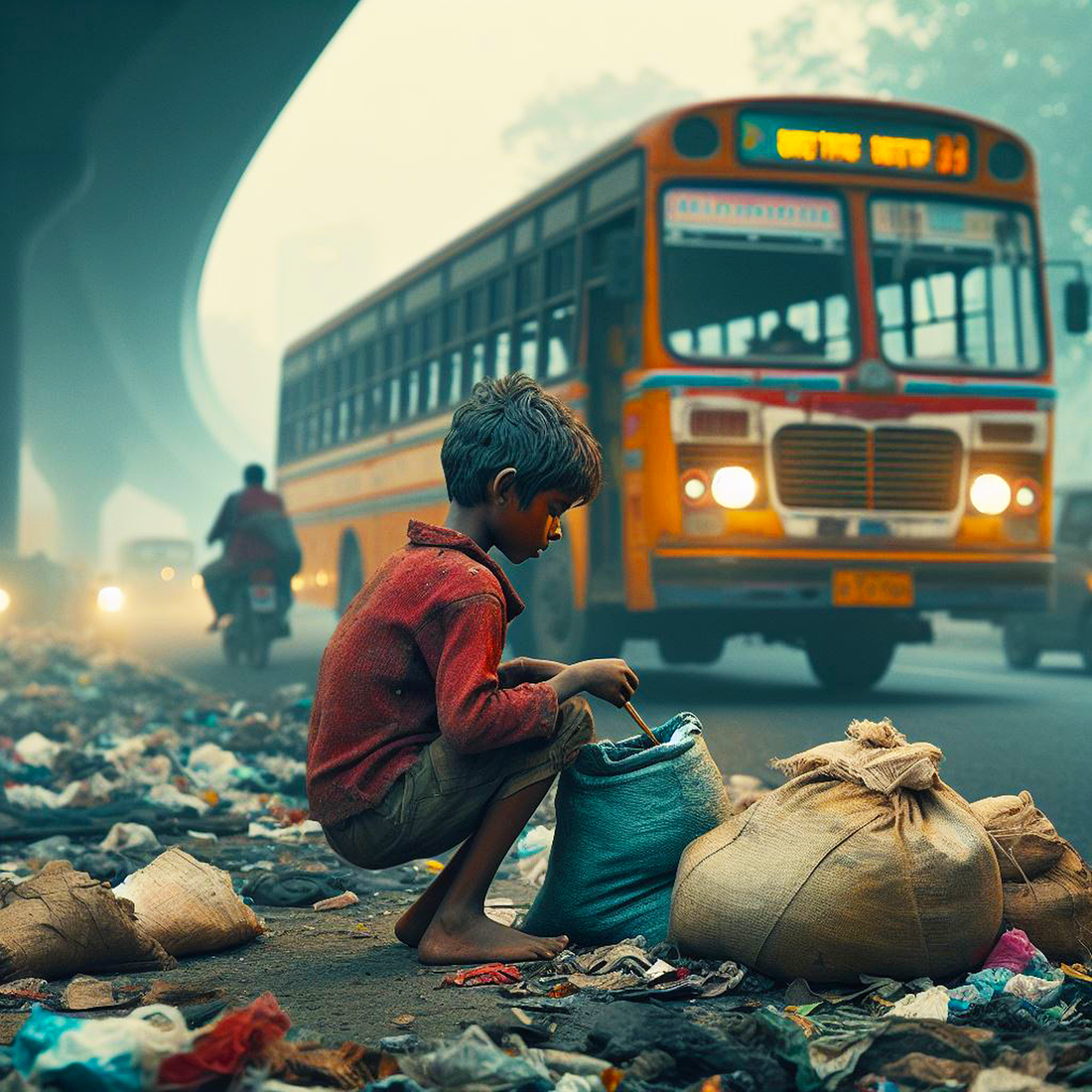
10 tips for responsible and safe travel in poorer countries
Share
Traveling to foreign countries is always enriching – whether to wealthy or less developed regions. However, those who travel to poorer countries often encounter particular challenges: visible poverty, stray animals, or an increased risk of petty crime. With the right preparation and a respectful attitude, these situations can be managed well – and you can even contribute to the local population benefiting from tourism.
1. Do your research beforehand
Before you set off, it's worth taking a look at the travel and safety advice from the Federal Foreign Office . There you'll find up-to-date information on political situations, security risks, and health hazards. This will help you assess which regions are safe and which you should avoid.
2. Take care of vaccinations and health protection.
In poorer countries, there are sometimes diseases that are rare in Europe. Consult your doctor or a tropical medicine institute well in advance about vaccinations, malaria prophylaxis, and general health precautions . Packing a small first-aid kit is also a good idea.
3. Respect culture and customs
Different countries, different rules: Clothing, gestures, and behavior should be adapted to the local culture. A friendly demeanor and a few words in the local language often open doors.
4. Beware of beggars – help with common sense.
It's difficult to refuse to give money to a child or an elderly woman who is begging. However, indiscriminately distributing money can foster dependency or strengthen organized begging networks. It's better to support specific projects or organizations that provide sustainable help. Those who still feel the need to give something spontaneously are free to do so – but there's no need to feel guilty if they choose not to.
5. Do not touch or feed stray dogs
As cute or pitiable as they may seem, stray dogs can transmit diseases like rabies. It's best to keep your distance and not feed them. Those who want to help can support local animal welfare organizations or spay/neuter programs.
6. Pay attention to your safety
Don't openly display valuables, use hotel safes, and only carry the cash you absolutely need. Be careful in crowds, use registered taxis, and avoid dark side streets. Small precautions significantly reduce the risk.
7. Support the local economy
Responsible tourism also means shopping and dining locally : eating in small restaurants, buying at markets, or booking local guides. This way, your money doesn't just go to international chains, but directly to the people in the local area – an important contribution to reducing poverty in the long term.
8. Respect the environment and nature
Avoiding waste, conserving resources, and respecting nature are also part of responsible travel. Plastic bags and disposable bottles can often be replaced by reusable alternatives.
9. Treat people as equals
Poverty should not become a tourist attraction. Taking photos of people in difficult situations without their consent is disrespectful. Respect the dignity of every individual.
10. Open heart, clear head
A blend of empathy and healthy caution is the best foundation for a good trip. Kindness is almost always reciprocated – at the same time, a clear mind protects you from unpleasant situations.
Conclusion
Traveling to poorer countries can be challenging, but also incredibly enriching. Those who are prepared, take foreign ministry travel advisories and medical advice seriously, and behave respectfully not only contribute to their own safety but also support a tourism industry that creates jobs in the long term and thus helps to overcome poverty . Traveling responsibly means leaving a positive mark – both for oneself and for the host country.